
Sponsored article
In the world of early childhood education, play has emerged as a crucial element for young learners’ growth. Play-based learning in preschool settings not only captivates children’s attention but also facilitates essential developmental milestones. By engaging in play, children can explore their surroundings, develop vital cognitive and social skills, and express their creativity in a supportive environment. As educators and parents increasingly recognize its benefits, play-based learning continues to shape the future of preschool education.
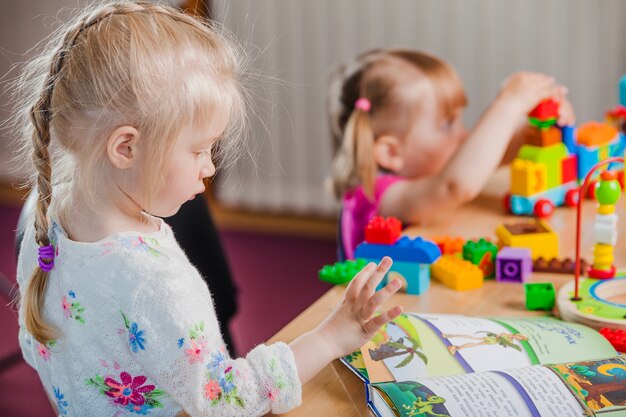
Engaging in play-based learning is a core component of effective early childhood education, offering young minds the opportunity to enhance their cognitive development in natural and enjoyable ways. Through playful, hands-on activities, preschoolers are encouraged to explore, experiment, and engage with their environment, which significantly boosts their problem-solving skills and creativity. During play, children often encounter challenges that require them to think critically and devise solutions, thereby strengthening their cognitive abilities. Additionally, play-based learning fosters an imaginative mindset, allowing children to express ideas and scenarios creatively, which is crucial for cognitive growth. Activities such as building with blocks, role-playing, and interactive story-telling help develop essential skills like logical thinking and memory retention. Schools like La Maternelle provide a nurturing environment where enriching play activities seamlessly integrate with language acquisition in both French and English, preparing children for future academic success. For more about their programs, visit https://lamaternellenyc.com.
Incorporating play into preschool programs significantly enhances a child’s social skills and emotional development, laying a vital foundation for lifelong learning. Preschool play is a natural stage for children to explore and build essential interpersonal skills such as teamwork and communication. Through collaborative activities and imaginative games, children learn how to share, negotiate, and compromise, all while practicing empathy. These experiences foster an understanding of others’ feelings and perspectives, an essential component of emotional intelligence. As children navigate various social interactions during play, they develop a deeper awareness of their own emotions and those of their peers, equipping them with the tools necessary for conflict resolution and fostering healthy relationships. By encouraging social interaction through play, preschool programs provide a nurturing environment where children can grow emotionally and socially, setting the stage for successful communication and cooperation as they progress through their educational journey.
Incorporating play-based learning into preschool curricula not only enhances educational experiences but also addresses the diverse learning styles of young children. Educators can craft an enriched curriculum design by integrating play-based activities that cater to various developmental needs. Play-based learning allows children to grasp complex concepts naturally while engaging in meaningful play. To effectively implement such approaches, preschool teaching guidelines can include:
By emphasizing these strategies, educators can transform the preschool curriculum into a fertile ground for growth and discovery.