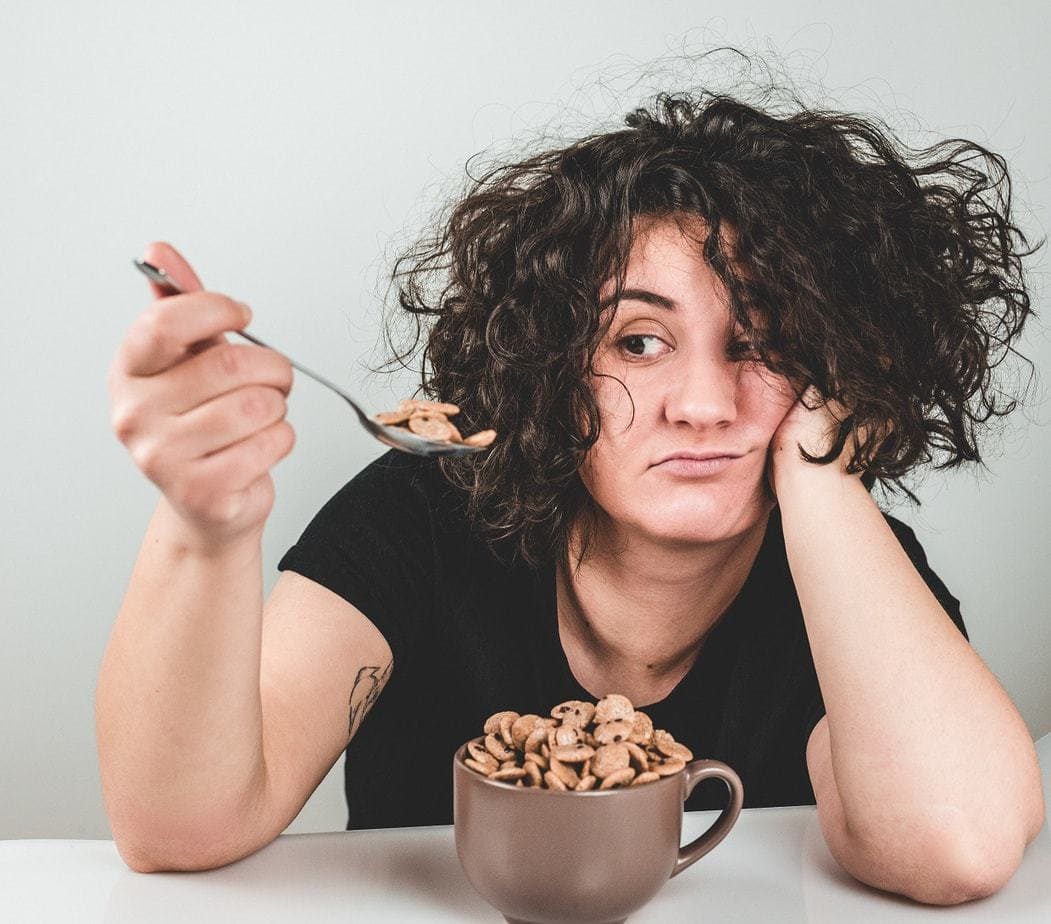
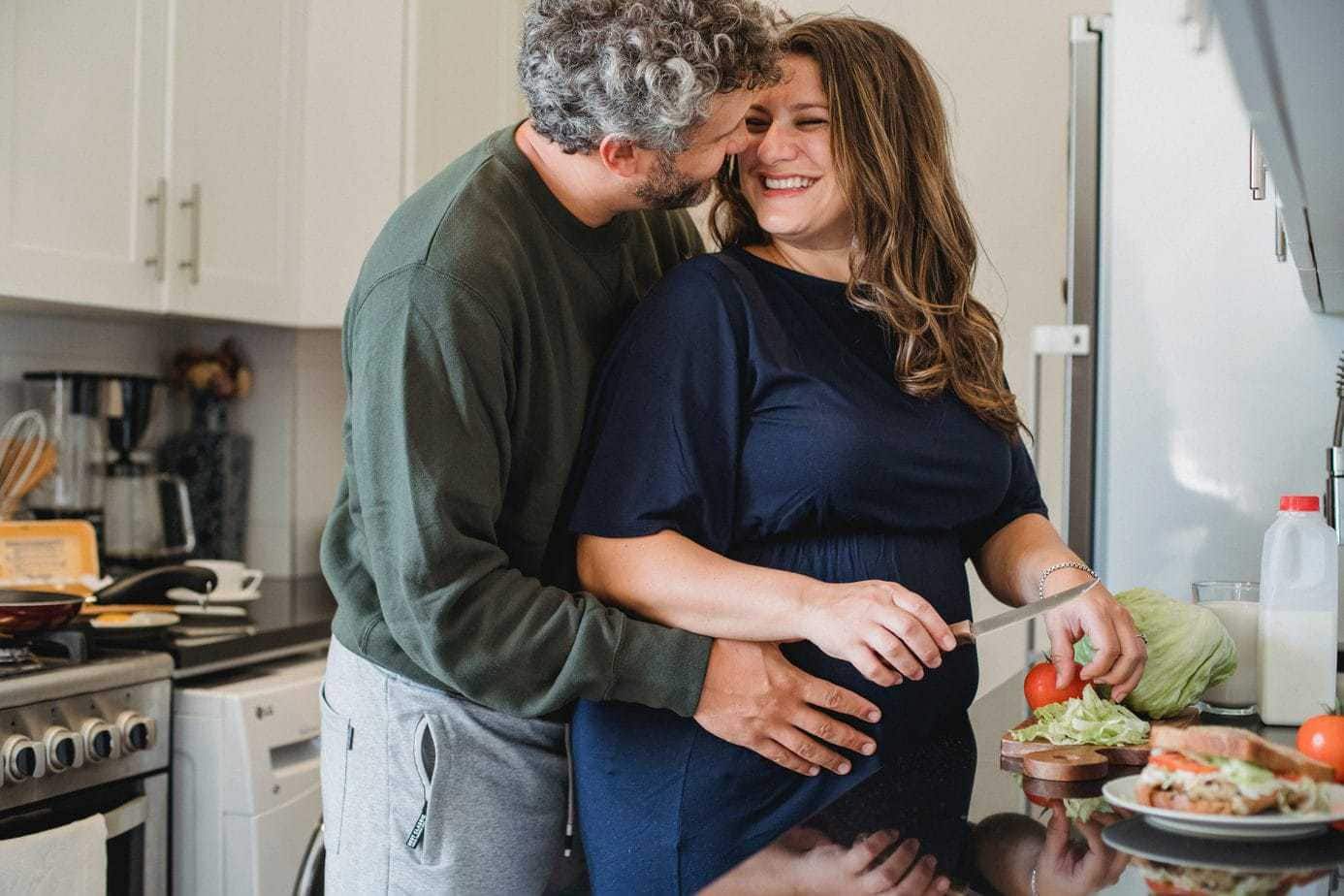
A frequent complaint of pregnant women is a ravenous appetite, which they cannot control in any way.
Systematic opening of the fridge and snacking between meals can lead to excessive weight gain. How can you limit snacking during pregnancy?
While pregnant, it is not allowed to lose weight, but it is very important to get enough nutrients every day. If you gain too much weight during pregnancy, you can develop health problems such as gestational diabetes, obesity and pregnancy-induced hypertension. This is why you need to take care of a proper diet from the beginning of pregnancy.
With the right methods you can reduce snacking during pregnancy or even eliminate it altogether over time.
When you are pregnant, you should eat five well-balanced meals regularly. It is important to eat at the same times. There should be no less than two hours and more than four hours between meals. This will help you maintain a steady blood glucose level and avoid snacking.
It is advisable to choose products with low and medium glycemic index. This way, there are no sudden spikes in blood glucose and the feeling of satiety remains for longer.
Always have healthy snacks with you, such as veggies cut into bars or seasonal fruit.
Preparing meals yourself is laborious, but they are healthier and tastier than ready-made ones.
If you can’t give up snacking, replace unhealthy snacks with fresh fruit and vegetables, such as watermelon or carrots.
Replace white flour products with those made of dark flour. They contain a lot of dietary fiber, which swells up in the stomach. This keeps the feeling of satiety for longer.
Eat on smaller plates. This will make the portions of the meal seem larger. Meat or fish should be divided into smaller pieces, which will make it seem that there is more of it.
Exclude from your menu products that have in their composition dyes, preservatives, artificial sweeteners and softeners. Such products have no nutritional value and make you feel hungry faster.
You can find many recipes on the Internet for sweet snacks without sugar, with the addition of various nuts such as dates.
Never shop when hungry. If you are hungry, you will be more likely to grab the unhealthy snacks that are usually found next to the checkout counter.
Fatigue caused by lack of sleep raises cortisol levels in the blood, making pregnant women more likely to snack.
Main photo: Amina Filkins/pexels.com